
The Integrity of Every Metric We Publish.
Market intelligence is only as reliable as the logic behind it. At Sakura Market Metrics, we move beyond surface-level data to provide a verified foundation for Japanese business intelligence.
Multi-Layered Information Gathering
Our methodology begins with the aggregation of primary and secondary data sets unique to the Japanese domestic market. We prioritize official corporate filings (Yuka Shoken Hokokusho), regional economic census reports, and proprietary sector-specific indices that are often overlooked by global generalist firms.
By localizing our intake process to Tokyo-standard reporting cycles, we ensure that every metric reflects the most current fiscal reality of the KEIDANREN-level enterprises and the vital SME layers alike. This localized focus prevents the "translation lag" common in international analytical portals.
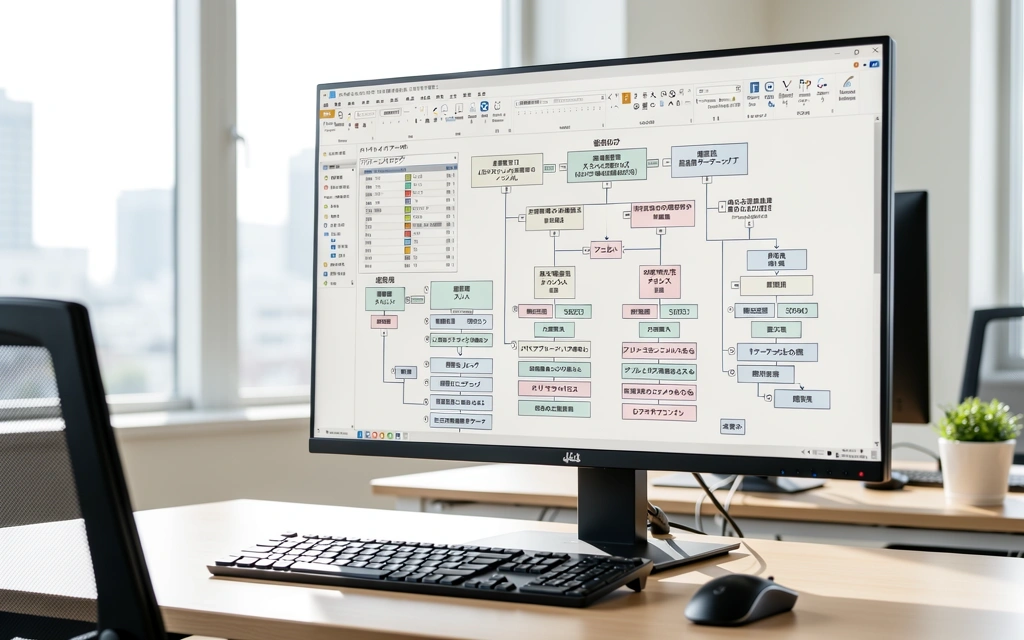
The Verification Rail
How we filter noise from signal.
Cross-Reference Normalization
Data points are never accepted in isolation. Each figure is benchmarked against three independent historical sources to identify statistical anomalies. If a metric deviates more than 4.2% from the projected trend without a verified market event, it is flagged for manual audit.
Contextual Weighting
Numbers without context are dangerous. Our analysts apply seasonal adjustments based on Japanese cultural and holiday cycles (such as Golden Week and Obon) which significantly impact logistics and consumer spending metrics in ways Western algorithms often miss.
Human-in-the-loop Validation
Final verification is conducted by senior analysts with a minimum of 15 years of experience in the Japanese market. We believe the nuance of domestic corporate governance cannot be distilled into code alone.
Core Calculation Frameworks
Specific formulas and logical pillars used to generate our reporting suite.
Sentiment Indexing
Calculated by weighted aggregation of leadership interviews and trade publication discourse across the Kantō and Kansai regions.
- 20-Point Linguistic Check
- Sector-Specific Weighting
Tech Adoption Vitals
Measuring the integration speed of automation and software infrastructures within traditional manufacturing frameworks (Monozukuri).
- CapEx Investment Ratios
- Workforce Retraining Benchmarks
Export Resilience Score
A composite metric evaluating supply chain stability versus global currency fluctuations with a focus on JPY-USD volatility.
- Real-Time Trade Flow Data
- Tariff Impact Simulations

The Ethical Boundaries of Automation
While we utilize advanced computational models to process millions of rows of data points, we maintain a strict policy against purely algorithmic reporting. The complexity of the Japanese market—with its intricate cross-shareholdings (Keiretsu) and specific regulatory nuances—requires a layer of professional judgment that machines cannot currently replicate.
Our analysts intervene whenever qualitative shifts occur, such as changes in the Bank of Japan’s monetary policy or major shifts in regional trade agreements. This ensures that the metrics you receive are not just mathematically correct, but strategically relevant to current market conditions.
"Accuracy is our baseline; relevance is our differentiator."
— Analytical Directorate, Sakura Market MetricsAccuracy Rating
Verification Cycle
Data Pipe Connections
Transparency & Updates
As the Japanese market evolves, so do our methodologies. We conduct a bi-annual review of our calculation frameworks to incorporate new accounting standards and digital economy indicators. Our last major update was implemented on March 17, 2026, to better reflect the impact of regional logistics decentralization.
We provide this methodology documentation to build professional trust with our users. If you have specific inquiries regarding our calculation of certain metrics or would like to request a deep-dive into our data sourcing for a specific sector, our laboratory team in Tokyo 19 is available for consultation.